
Key Takeaways
- Biodegradable grow bags offer an eco-friendly alternative to traditional plastic bags in mushroom cultivation.
- Choosing the right biodegradable bag material and size is crucial for the health and yield of your mushrooms.
- Proper sterilization and substrate preparation are key steps in using biodegradable grow bags effectively.
- Maintaining the right environmental conditions is essential for successful mushroom growth in biodegradable bags.
- Transitioning to biodegradable grow bags can significantly reduce plastic waste in agriculture and contribute to a circular economy.
Eco-Friendly Fungi Farming Techniques
Let’s talk about growing mushrooms, but not just any way – we’re diving into a method that’s kind to our planet. You see, mushrooms are not only delicious and nutritious, they’re also incredibly sustainable to grow. But there’s a catch – traditional plastic grow bags can take a toll on the environment. That’s where biodegradable mushroom grow bags come in, offering a solution that’s as friendly to the Earth as it is to our fungal friends.
Why Biodegradable Grow Bags Are Game Changers
Traditional plastic bags, while effective, are a one-way ticket to the landfill. That’s a problem. Biodegradable grow bags, on the other hand, break down naturally after use, leaving no trace behind. This means you can grow mushrooms without contributing to the plastic problem. But that’s not all – these bags also simplify the process. Once your mushrooms are harvested, the used bags and substrate can go straight into compost, enriching the soil for your next batch of crops or other garden plants.
Moreover, these bags aren’t just good for the environment; they’re also good for the mushrooms. They breathe – quite literally. The materials used allow for proper gas exchange, which is crucial for mushroom development. So, it’s a win-win: better for the Earth, better for the mushrooms.
The Process: From Bag to Bloom
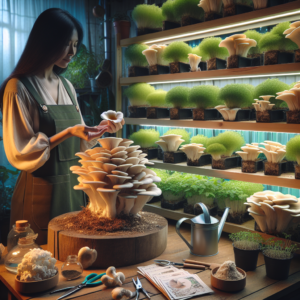
The journey from a biodegradable bag to a blooming mushroom is a fascinating one. It starts with choosing the right bag – but more on that in a bit. Once you’ve got your bag, you’ll fill it with a nutrient-rich substrate, which is like a gourmet meal for mushrooms. Then, you’ll add the spawn, which is essentially mushroom seeds. Give them the right love and care, and soon enough, you’ll have mushrooms sprouting before your eyes. The key is creating the perfect environment inside that bag – one that’s moist, dark, and just the right temperature.
Choosing the Right Bag for Your Mushroom
Selecting Material: What Works Best for Fungi
Not all biodegradable materials are created equal, especially when it comes to growing mushrooms. You’ll want something that’s sturdy enough to hold your substrate and spawn, but also breathable to allow for proper gas exchange. Materials like plant-based plastics, natural fibers, or even paper-based bags can work well. Just make sure they’re labeled as biodegradable or compostable.
Size Matters: Matching Bags to Mushroom Varieties
Size is more than just a number when it comes to grow bags. The size of your bag should match the type of mushroom you’re growing. Smaller bags are great for delicate varieties, while larger bags can accommodate mushrooms that need more room to expand. Keep in mind that mushrooms need space not just to grow, but also to breathe. Crowding too many into a small bag can hinder their development.
Preparation of Biodegradable Grow Bags
Sterilization: Ensuring a Clean Start
Before you can think about mushrooms, you need to think about cleanliness. Sterilizing your grow bags is a must. This means getting rid of any unwanted bacteria or fungi that might compete with your mushrooms for resources. You can do this by steaming your bags or using a pressure cooker. It’s like giving your mushrooms a clean slate to start from.
Substrate Mixing: Nutrients for Healthy Growth
The substrate is the foundation of mushroom growth. It’s where your mushrooms will get all their nutrients from. A good substrate is a mix of things like sawdust, straw, or even coffee grounds – all biodegradable materials that your mushrooms will love. Mix your substrate well to ensure an even distribution of nutrients, and your mushrooms will thank you with vigorous growth.
Understanding Spawn: The Seed of Mushroom Cultivation
Think of spawn as the starting block of mushroom cultivation. It’s the material that’s been inoculated with mushroom mycelium – the vegetative part of a fungus. Just like plants need seeds to grow, mushrooms need spawn. It’s important to use high-quality spawn because it directly affects the health and yield of your mushrooms. Choose spawn from a reputable source, and make sure it’s the right type for the mushroom variety you’re planning to grow.
Techniques for Even Distribution in Grow Bags
Getting an even distribution of spawn throughout your substrate is critical. Uneven distribution can lead to patchy mushroom growth, and nobody wants that. Here’s how you can ensure even spread:
- Break up the spawn into smaller pieces to increase the number of inoculation points.
- Mix the spawn with the substrate thoroughly, reaching every corner of the bag.
- Use a sterile tool to mix, to prevent contaminating your spawn and substrate.
Once your spawn is evenly mixed, seal the bag up. Now, it’s just a matter of time and the right conditions before the mycelium takes over and mushrooms start to appear.
Maintaining Ideal Conditions for Maximum Yield
Now that your bags are inoculated, it’s all about creating the perfect home for your mushrooms to thrive. Temperature, humidity, lighting, and ventilation – each of these factors plays a crucial role in mushroom development, and getting them right can mean the difference between a bumper crop and a bust.
Most importantly, you’ll want to keep a close eye on the environment your mushrooms are growing in. Changes in any of these factors can stress your mushrooms, which can lead to lower yields or even crop failure.
Therefore, it’s crucial to monitor and adjust these conditions regularly. Here’s a rundown of what to look out for:
Temperature and Humidity: The Fungi Finetune
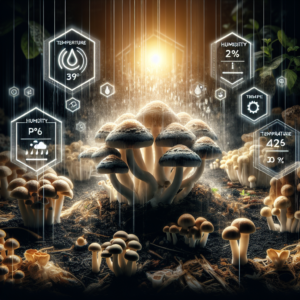
Mushrooms are picky about their climate. They prefer a cool, moist environment – usually between 55-60°F and a humidity level of 95-100%. If the temperature or humidity drops too low, your mushrooms will stop growing. Too high, and you risk mold and bacteria growth. Use a thermometer and hygrometer to keep tabs on these conditions.
Remember, the type of mushroom you’re growing will have specific needs, so adjust your conditions accordingly. A little bit of research can go a long way in ensuring you’re providing the right environment for your particular variety.
Lighting and Ventilation: Keeping Your Mushrooms Happy
Mushrooms don’t need much light to grow, but they do need some. Indirect sunlight or even fluorescent lighting can provide the necessary light for most mushrooms. As for ventilation, it’s all about fresh air exchange. Mushrooms consume oxygen and produce carbon dioxide, just like us. If CO2 levels get too high, it can negatively affect their growth. A simple way to provide ventilation is to make small holes in your grow bags or open them briefly several times a day.
Harvesting Your Crop: When the Mushrooms Are Ripe
The moment of truth – harvesting your mushrooms. This is when all your hard work pays off. But timing is everything. Harvest too early, and your mushrooms won’t have reached their full potential. Too late, and they might start to degrade.
Identifying Harvest Time: Signs to Look For
Each mushroom variety has its own telltale signs that it’s ready to be picked. Generally, you’ll want to harvest right before the caps fully uncurl. At this stage, the mushrooms are at their peak flavor and texture. If you see the edges of the mushroom caps starting to flatten out, it’s time to get picking.
Post-Harvest Handling: Maximizing Shelf Life
After you’ve harvested your mushrooms, the clock starts ticking. To maximize shelf life, handle them gently to avoid bruising. Store them in a cool, dry place, and if you’re not using them right away, consider drying or freezing them to preserve their quality. Remember, the fresher the mushroom, the better the flavor, so plan to use or sell your harvest soon after picking.
Success Stories: Transitioning to Biodegradable
It’s one thing to talk about the benefits of biodegradable grow bags, but seeing real-life success stories can be truly inspiring. Many farmers and growers have made the switch, and they’re not looking back.
Case Study Snapshot: Farmers Leading the Charge
Take, for example, a mushroom farm in the Pacific Northwest that switched to biodegradable bags. They found that not only did their waste disposal costs go down, but their mushrooms seemed happier, too. Their yields increased, and their customers were thrilled to support a business taking clear steps towards sustainability.
- Reduced waste disposal costs by switching to compostable bags.
- Increased mushroom yield with the use of biodegradable materials.
- Enhanced customer satisfaction due to eco-friendly practices.
Seeing such tangible benefits, it’s clear that biodegradable grow bags are more than just a fad – they’re the future of mushroom cultivation.
The Bigger Picture: Environmental Impact and Sustainability
Finally, let’s zoom out and look at the bigger picture. By choosing biodegradable grow bags, you’re not just making a difference in your own cultivation practices – you’re contributing to a larger movement. The shift away from single-use plastics is critical in our fight against pollution and climate change. By adopting biodegradable materials, mushroom growers can play a significant role in this transition.
Reducing Plastic Waste in Agriculture
By choosing biodegradable grow bags, mushroom cultivators are taking a significant step towards reducing plastic waste in agriculture. These bags, once used, don’t end up clogging landfills for centuries. Instead, they break down into harmless organic matter, contributing to the health of the soil. It’s a simple switch with profound implications, drastically cutting down on the amount of plastic used and discarded by the agriculture industry.
Furthermore, this move towards biodegradability isn’t just for small-scale growers. Large agricultural operations are beginning to see the benefits, too. With every farm that makes the switch, the positive impact on our environment grows exponentially. As consumers become more environmentally conscious, they’re also more likely to support and prefer products that are grown sustainably, creating a strong incentive for farms to adopt eco-friendly practices.
The Role of Mushroom Cultivation in Circular Economy
“Mushroom cultivation with biodegradable bags perfectly embodies the principles of a circular economy. It’s a closed-loop system where waste is minimized, and everything is reused or recycled. This is agriculture working in harmony with nature, rather than against it.”
This quote encapsulates the essence of what it means to integrate mushroom farming into the circular economy. By using materials that can be returned to the earth without harm, growers are ensuring that their farming practices are sustainable and regenerative. This approach not only benefits the environment but also supports the health and longevity of the farming operation itself.
Biodegradable grow bags are a testament to innovation in sustainable agriculture. They serve as a powerful example of how traditional farming practices can evolve to meet the demands of an eco-conscious market. As the world moves towards more sustainable ways of living and consuming, mushroom cultivation with biodegradable bags stands out as a beacon of progress.
It’s not just about growing food anymore. It’s about growing food responsibly, with a keen awareness of the ecological footprint we leave behind. And mushrooms, with their minimal resource requirements and incredible versatility, are at the forefront of this green revolution.
FAQ
What makes biodegradable grow bags eco-friendly?
Biodegradable grow bags are eco-friendly because they’re made from materials that can break down naturally over time. Unlike plastic, which can take hundreds of years to decompose, biodegradable materials return to the earth, becoming part of the soil without leaving toxic residues. This means that they don’t contribute to the growing problem of plastic pollution that’s affecting our land and oceans.
How do you ensure that biodegradable bags don’t break down before harvest?
- Choose high-quality biodegradable bags that are designed to last through the full growth cycle of your mushrooms.
- Store bags in a cool, dry place before use to prevent premature degradation.
- Monitor the moisture levels in your grow area, as excessive humidity can accelerate the breakdown process.
By taking these precautions, you can ensure that your biodegradable grow bags remain intact until your mushrooms are ready to be harvested.
Can any mushroom variety be grown in biodegradable grow bags?
- Most mushroom varieties can be grown in biodegradable grow bags, including popular types like oyster, shiitake, and lion’s mane.
- Some varieties may require specific bag sizes or substrate types, so it’s important to research the needs of your chosen mushroom.
- Experiment with different bag materials and substrates to find the best combination for your particular mushroom variety.
With a little experimentation and research, you’ll find that most mushrooms thrive in the eco-friendly environment provided by biodegradable grow bags.
Are biodegradable grow bags cost-effective compared to plastic?
While biodegradable grow bags may have a higher upfront cost compared to traditional plastic bags, they can be cost-effective in the long run. By reducing waste disposal fees and potentially increasing yields due to healthier growing conditions, these bags can offer financial benefits. Additionally, the marketing advantage of being an eco-friendly operation can attract customers willing to pay a premium for sustainably grown products.
Where can I purchase biodegradable grow bags for mushroom cultivation?
Biodegradable grow bags can be purchased from a variety of sources, including: