Key Takeaways
- Pink oyster mushrooms are known for their vibrant color and unique flavor, making them a delightful addition to any dish.
- Optimal conditions for growing these mushrooms include warm temperatures, high humidity, and proper substrate.
- The best time to harvest is when the edges of the mushroom caps begin to flatten, indicating peak flavor and texture.
- Harvesting should be done with care, using a gentle twist or cut to avoid damaging the mycelium.
- Proper post-harvest handling, including cleaning and storage, is essential to maintain the mushrooms’ quality.
Delve into the Pink: Mastering Oyster Mushroom Harvests
Imagine adding a splash of vibrant pink to your plate, coupled with a savory flavor that elevates your culinary creations. Pink oyster mushrooms, a favorite among gourmet chefs and home cooks alike, offer just that. But to truly capture their essence, knowing when and how to harvest them is key. Let’s dive into the world of these fascinating fungi and uncover the secrets to a successful pink oyster mushroom harvest.
Understanding Pink Oyster Mushrooms
Pink oyster mushrooms, also known as Pleurotus djamor, are a tropical variety that thrives in warm conditions. Unlike their more common relatives, these mushrooms boast a stunning pink hue and a meaty texture that can mimic seafood in vegan dishes. They’re not just about looks though; these mushrooms are packed with protein, vitamins, and antioxidants, making them a nutritious choice for any meal.
Best Conditions for Mushroom Growth
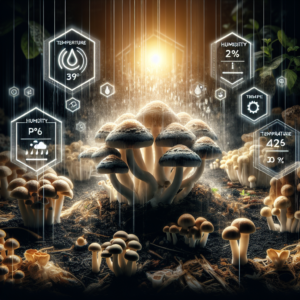
Before we get to the harvest, it’s crucial to understand the conditions that pink oyster mushrooms love. They flourish in an environment that’s warm and humid—think of their natural tropical habitat. To mimic these conditions, aim for temperatures between 70-85°F (21-29°C) and a humidity level around 90%. But remember, consistency is key. Fluctuations in temperature and humidity can stress your mushrooms, leading to less than ideal results.
Perfect Timing: When to Harvest
- Monitor the mushroom caps daily as they start to mature.
- Look for the edges of the caps to unfurl and flatten out, which indicates they’re ready for harvest.
- Harvest promptly when maturity signs appear to capture the best flavor and texture.
Knowing when to harvest pink oyster mushrooms can be the difference between a good batch and a great one. The mushrooms grow quickly, often ready to harvest within a week after the first pins (baby mushrooms) appear. Keep an eye out for the edges of the mushroom caps to unfurl and flatten. This subtle change is your cue that the mushrooms have reached their peak in flavor and texture. Wait too long, and you’ll find the mushrooms become tough and lose some of their vibrant color.
It’s not just about when to pick them, but also how you pick them that matters. Next, we’ll explore the techniques to harvest your mushrooms gently, ensuring the mycelium stays healthy for future crops.
Harvesting Techniques for the Best Quality
When it’s time to harvest, think of it as a delicate dance between your fingers and the mushrooms. A rough approach can bruise these beauties, so instead, opt for a gentle twist at the base of the stem or a precise cut with a sharp knife. Your goal is to avoid damaging the mycelium—the network of fungal threads that gave life to your mushrooms—so it can continue to produce more crops.
After harvesting, it’s all about keeping those mushrooms fresh and tasty. But we’ll get to that soon enough. First, let’s delve deeper into the characteristics of pink oyster mushrooms and why they’re such a must-try for any mushroom lover or adventurous foodie.
Why These Mushrooms Are a Must-Try
There’s a world of mushrooms out there, but pink oyster mushrooms stand out from the crowd. Their striking color is natural artistry on a plate, and their flavor—oh, their flavor! It’s a savory, earthy taste with a hint of seafood that makes them perfect for a range of dishes, from stir-fries to tacos. But there’s more; these mushrooms are not just a feast for the eyes and the palate. They’re also a boon for health, loaded with protein, fiber, vitamins, and minerals. So, whether you’re a gourmet chef or just love to experiment in the kitchen, pink oyster mushrooms are a culinary adventure waiting to happen.
Prime Conditions: Setting the Stage for Growth
Let’s get to the root of it—literally. Growing pink oyster mushrooms is like setting the stage for a grand performance. The substrate, which is the material the mushrooms will grow on, is akin to the stage itself. It needs to be nutrient-rich and well-prepared. Common substrates include straw, sawdust, or agricultural byproducts. You’ll want to ensure it’s pasteurized to give your mushrooms a clean slate free from competing organisms. Then, inoculate it with high-quality spawn, which is like casting the best actors for your show. With the right substrate and spawn, you’re setting yourself up for a bountiful harvest.
Temperature and Humidity: The Balancing Act
Creating the perfect environment for pink oyster mushrooms is all about balance. They love the warmth, so keep the temperature cozy, between 70-85°F (21-29°C). As for humidity, think of a tropical forest—moist and muggy. A humidity level of 90% or higher is ideal, which you can achieve with a humidifier or by misting the growing area regularly. Just be careful not to soak your mushrooms; they like humidity, not a bath.
Substrate and Nutrition: Feeding Your Fungi
Your mushrooms are like any other living thing—they need to eat. The substrate is their food, and what you choose matters. Pink oyster mushrooms aren’t picky, but they do have a taste for certain substrates. Straw, hardwood sawdust, or a mix with cottonseed hulls can provide the nutrition they crave. Make sure the substrate is supplemented with additional nutrients, like bran, to boost the mushroom’s growth. Remember, a well-fed mushroom is a happy mushroom.
Light and Airflow: Oxygen’s Role in Growth
Mushrooms don’t need sunlight to grow, but they do need some light to know which way to grow. A few hours of indirect light each day will do the trick. Airflow is also crucial—it helps with the development of the mushrooms and keeps contaminants at bay. A gentle breeze from a fan or periodic fresh air exchange can make all the difference. Just like us, mushrooms need to breathe, and fresh air encourages strong, healthy growth.
The Harvest Window: Capturing Peak Flavor and Texture
The moment of truth is upon us—the harvest. It’s when all your hard work pays off. Pink oyster mushrooms have a rapid growth cycle, so you won’t have to wait long. Once the mushrooms begin to show their vibrant caps, the countdown to harvest starts. But don’t jump the gun; patience is a virtue here. Waiting for just the right time ensures the mushrooms are tender, flavorful, and ready for your favorite recipes.
Harvesting at the right time isn’t just about taste—it’s also about maximizing your yield. Harvest too early, and you’ll miss out on the full potential of your mushrooms. Too late, and the texture can become chewy, the flavor less intense. So, keep a watchful eye and get ready to enjoy the fruits of your labor at just the right moment.
Signs of Maturity in Pink Oyster Mushrooms
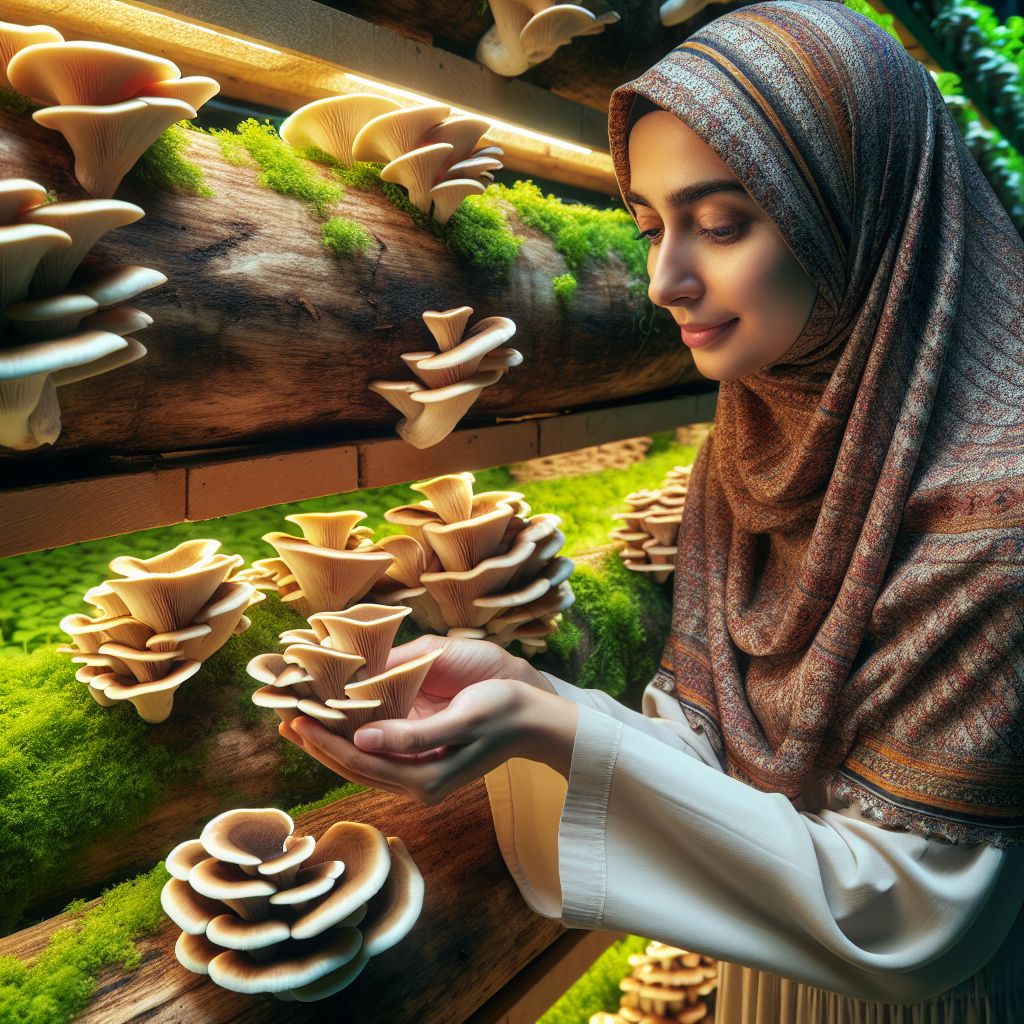
As your mushrooms grow, look for these tell-tale signs of maturity: The edges of the caps will start to unfurl and flatten, moving from a convex to a more concave shape. The color will be a vivid pink, and the mushrooms will feel firm to the touch. These signs signal that your mushrooms are at their peak, ready to be plucked from their substrate home and brought to the kitchen.
Deciding the Harvest Day
Deciding when to harvest can feel like a guessing game, but it doesn’t have to be. Most importantly, observe your mushrooms daily as they approach the expected harvest time, which is typically 5 to 7 days after the first pins appear. Changes can happen quickly, so this isn’t the time to take a break from your mushroom watch. When you see the signs of maturity, it’s time to harvest, usually in the morning when the mushrooms are most hydrated and plump.
Harvest with Care: Techniques for Tenderness
Harvesting your pink oyster mushrooms is a gentle affair. Imagine you’re handling something as delicate as a butterfly’s wing. You can either twist the mushroom off at the base or use a sharp knife to cut it. If you’re twisting, be gentle and avoid yanking, as this can damage the mycelium. If you’re cutting, do so with a clean, swift motion. Whichever method you choose, the goal is the same: to keep the mycelium intact for future flushes of mushrooms.
Gentle Twist or a Precise Cut?
Here’s how to decide between twisting or cutting:
- Twisting: Best for when the mushroom comes away easily and you can avoid disturbing the surrounding mycelium.
- Cutting: Ideal when mushrooms are denser or when you want to minimize any potential damage to the mycelium.
Choose the method that feels right for you and your mushrooms. And remember, the more care you take during harvest, the more likely you are to enjoy a second or even third flush of mushrooms from the same substrate.
For example, if you notice that the mushrooms detach easily with a gentle twist, this method can be quick and efficient. However, if the base is tough, a clean cut might be the better option.
After harvesting, you might be tempted to sit back and admire your bounty, but there’s one more step to ensure the longevity of your mushrooms: post-harvest care. Let’s look at how to clean and store your pink oyster mushrooms to keep them fresh for as long as possible.
Maintaining the Mycelium for Future Growth
After you’ve harvested your mushrooms, it’s crucial to maintain the mycelium for future growth. This means being mindful of the conditions you leave behind. Make sure the substrate isn’t too wet or dry, and keep an eye on temperature and humidity levels. With proper care, the mycelium can produce several more flushes of mushrooms, giving you an ongoing harvest from a single inoculation. It’s the gift that keeps on giving!
Now that you’ve successfully harvested your pink oyster mushrooms, the focus shifts to preserving their freshness. This stage is just as crucial as the growing and harvesting phases because proper post-harvest care ensures that the fruits of your labor remain in top-notch condition until they’re ready to be savored.
Post-Harvest: Preserving Your Pink Bounty
After all the anticipation and careful tending, you’ve finally got your hands on a beautiful batch of pink oyster mushrooms. But before you start cooking, there’s some essential post-harvest work to be done. Let’s walk through the steps to keep your mushrooms fresh and delicious.
Cleaning and Storage for Extended Freshness
Cleaning your pink oyster mushrooms is a breeze. They usually require just a quick brush to remove any substrate particles. It’s best to avoid washing them with water as they can become waterlogged and lose their texture. If you must wash them, do so gently under running water and pat them dry immediately.
When it comes to storage, pink oyster mushrooms have a shorter shelf life compared to other varieties. Here are some tips to keep them fresh:
- Store them in a paper bag or wrapped in a paper towel to absorb excess moisture.
- Place the bag in the refrigerator, ideally in the crisper drawer.
- Consume them within a week for the best quality and flavor.
With these storage tips, you can extend the freshness of your mushrooms and enjoy them in various dishes over several days.
Recipe Ideas: Savor the Fruits of Your Labor
Your hard work doesn’t have to end with the harvest. Pink oyster mushrooms are versatile and can be the star of many dishes. Here are a few ideas to get you started:
- Sauté them with garlic and herbs for a simple yet delicious side dish.
- Use them as a meat substitute in tacos or pasta sauces for a vegetarian twist.
- Pickle them for a tangy treat that adds a pop of color and flavor to salads and sandwiches.
Whether you’re a seasoned chef or just starting out in the kitchen, pink oyster mushrooms are sure to inspire your culinary creativity.
Frequently Asked Questions (FAQ)
As you embark on your mushroom-growing journey, questions are bound to arise. Here are answers to some of the most common queries about pink oyster mushrooms.
How Long Do Pink Oyster Mushrooms Take to Grow?
From the time you inoculate your substrate with spawn, pink oyster mushrooms typically take about two weeks to reach harvest. The actual fruiting process, from pinning to harvest, can occur in as little as 5 to 7 days, depending on the growing conditions.
Can I Grow Pink Oyster Mushrooms at Home?
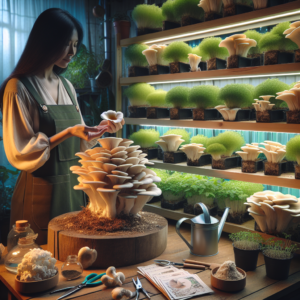
Absolutely! With the right conditions and care, you can grow pink oyster mushrooms at home. You’ll need a warm and humid environment, a suitable substrate, and quality spawn. Home growing kits are available for beginners, making it an accessible project for anyone eager to try their hand at mushroom cultivation.
What Are the Health Benefits of Pink Oyster Mushrooms?
Pink oyster mushrooms are not only a treat for the taste buds but also offer health benefits. They’re rich in protein, fiber, vitamins B and C, and minerals like potassium and iron. Additionally, they contain antioxidants and have been known to help lower cholesterol levels.
How Can I Tell If My Pink Oyster Mushrooms Are Overripe?
If your pink oyster mushrooms have become too mature, they may start to lose their vibrant color, turning a pale pink or white. The caps might also become floppy, and the texture can get tough. Harvesting at the right time is crucial to avoid overripe mushrooms.
- Color fading from bright to pale pink
- Caps becoming less firm and more floppy
- Texture changing from tender to tough
Are Pink Oyster Mushrooms Edible After They Turn Pale?
While pink oyster mushrooms are best enjoyed when they’re fresh and vibrant, they are still edible after they turn pale. The flavor and texture might not be as appealing, but they can still be used in cooked dishes where their firmness can be an advantage, like in stews or stir-fries.