
Key Takeaways
- Vertical oyster mushroom farming is a space-efficient method that enhances yield per square foot.
- Starting this type of farming requires specific equipment and choosing the right mushroom strain.
- Designing an optimized shelf structure is crucial for the growth and productivity of the mushrooms.
- Regular maintenance, including managing humidity and temperature, is key to a successful vertical farm.
- Common challenges such as pests, diseases, and lighting can be overcome with proper techniques and solutions.
Why Vertical Oyster Mushroom Farming?
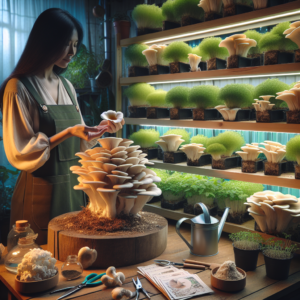
Imagine walking into a room filled with cascading shelves of lush, fan-like oyster mushrooms. This isn’t a scene from a futuristic movie; it’s vertical oyster mushroom farming, and it’s a game changer for urban growers and small-scale farmers. Why? Because it maximizes growing space and yields in a way traditional methods can’t touch.
Space Efficiency in Urban Areas
In cities where every square inch counts, vertical farming is like discovering a new dimension. It’s about growing up, not out. Traditional horizontal farming spreads across valuable floor space. With vertical farming, we stack the growth, turning a single area into a multi-level production powerhouse.
Enhancing Yield Per Square Foot
Vertical farming doesn’t just save space; it boosts productivity. By stacking shelves, you can grow more in the same footprint. It’s like turning a one-story house into a skyscraper. Each shelf is a new floor, each floor is a new opportunity for growth. More shelves mean more mushrooms, and more mushrooms mean a better bottom line.
Getting Started with Vertical Farming
So, you’re ready to take your mushroom farming to the next level—literally. Let’s walk through the essentials to get you started on your vertical farming adventure.
Essential Equipment for Starting Out
You’ll need a few key pieces of equipment to create your vertical oyster mushroom farm. Think of this as your toolkit for success:
- Shelves or racking to stack your growing bags or containers.
- A reliable misting or humidification system to maintain moisture.
- Temperature control units to keep conditions optimal.
- Lights, if you’re growing indoors without natural sunlight.
- Fans for air circulation to mimic the natural movement of air.
Each piece of equipment plays a vital role in creating the environment your oyster mushrooms need to thrive.
Choosing the Right Strain of Oyster Mushrooms
Not all oyster mushrooms are created equal. Different strains have different needs and benefits. When choosing, consider:
- Climate adaptability: Some strains do better in warmer or cooler temperatures.
- Growth rate: How quickly do you want to go from spores to harvest?
- Yield potential: Some strains are more prolific producers than others.
- Flavor and texture: This could be the deciding factor if you’re selling to chefs or at farmers’ markets.
Do your research, maybe even test a few strains, and find the one that aligns with your goals and conditions.
Optimizing Shelf Structure for Maximum Growth
Designing the right shelf structure is critical for the success of your vertical farm. The aim is to create a setup where each mushroom has ample space to grow, adequate access to fresh air, and even exposure to light if necessary. Shelves should be spaced in such a way that they allow for easy harvesting and maintenance, without overcrowding the mushrooms. Remember, good air circulation is vital for healthy growth and to prevent the buildup of humidity, which can lead to diseases.
Consider materials that are easy to clean and resistant to moisture, like coated metals or certain types of plastics. The shelves need to be sturdy enough to hold the weight of the growing medium and the mushrooms, but also designed for ease of use. It’s a balance between durability, functionality, and cost-effectiveness.
Materials and Tools You’ll Need
Before you start building your vertical shelves, make sure you have the right materials and tools on hand. You’ll need:
- Measuring tape for accurate spacing and sizing of shelves.
- Drill and screws for assembly.
- High-quality, moisture-resistant shelving material.
- Protective gear like gloves and goggles for safety.
- Level to ensure your shelves are perfectly horizontal.
Having everything prepared beforehand will streamline the building process and help you avoid unnecessary trips to the hardware store.
DIY Vertical Shelf Building Guide
Building your own vertical shelves can be a rewarding DIY project. Here’s a simple guide to get you started:
- Measure your space to determine the size and number of shelves you can accommodate.
- Cut your shelving material to the required dimensions.
- Assemble the frame for your shelves, ensuring it’s strong and level.
- Attach the shelves to the frame, spacing them according to the height of your mushroom bags or containers.
- Install your humidity and temperature control systems to maintain the ideal growing environment.
And voilà, you’ve created a vertical farming structure that’s ready to support a thriving crop of oyster mushrooms.
But don’t stop there. Customize your shelves to your specific needs. Maybe you need wheels for mobility or adjustable shelf heights for different stages of growth. Make it work for you.
Maintenance and Care
Maintaining a vertical oyster mushroom farm is about diligence and attention to detail. It’s not just about watering; it’s about creating and sustaining the perfect environment for your mushrooms to flourish.
Managing Humidity and Temperature
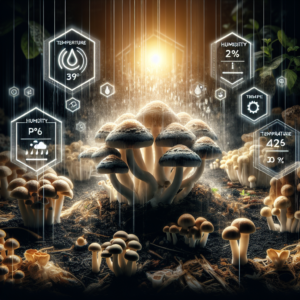
Humidity and temperature are the yin and yang of mushroom farming. They need to be in harmony for your mushrooms to grow well. Aim for a humidity level of 80-95% and a temperature range of 55-75°F (13-24°C) for most oyster mushroom strains. Use a hygrometer to monitor the humidity and a thermometer for the temperature. Adjust your misting system and heaters or coolers as needed to maintain these conditions.
Watering Techniques for Vertical Farming
Watering in vertical farming isn’t about quantity; it’s about consistency and coverage. A fine mist that evenly coats the mushrooms and substrate is what you’re aiming for. Too much water and you’ll have soggy mushrooms and potential rot. Too little and your mushrooms will be dry and stressed. Automated misting systems can be a lifesaver here, ensuring your mushrooms get the right amount of moisture without you having to do it manually.
Common Challenges and Their Solutions
As with any farming method, vertical oyster mushroom farming comes with its own set of challenges. But don’t worry, each challenge has a solution.
Dealing with Pests and Diseases
Prevention is better than cure. Keep your growing area clean, monitor your crops regularly, and maintain proper air circulation to prevent pests and diseases. If you do encounter issues, identify the problem early and treat it promptly. Organic fungicides and insecticides can be effective, but make sure they’re safe for use on edible crops.
Maximizing Light Exposure to Every Shelf
While oyster mushrooms don’t require much light, they do need some to guide their growth. Use reflective materials on walls and between shelves to bounce light around, or consider installing low-wattage LED lights above each shelf to ensure even light distribution. Just make sure the lights don’t generate too much heat, which could throw off your temperature balance.
Harvesting Your Mushrooms
The fruits of your labor are finally ready to be picked. Harvesting your mushrooms at the right time is crucial for both quality and yield.
Knowing When to Harvest for Best Yield
Oyster mushrooms are ready to harvest when the edges of the caps start to turn upwards. At this stage, they’re at their peak flavor and texture. Use a sharp knife to cut the mushrooms at the base, being careful not to damage the substrate, as this can encourage another flush of growth. Handle them gently to avoid bruising and store them properly to extend their shelf life.
With these techniques and solutions, you’re well on your way to running a successful vertical oyster mushroom farm. Remember, it’s all about creating the right environment and being attentive to the needs of your mushrooms. Happy farming!
- Vertical oyster mushroom farming maximizes space, making it ideal for urban environments.
- Essential equipment includes shelving, climate control systems, and a misting system.
- Shelf design should allow for good air circulation and easy access for maintenance and harvesting.
- Maintaining proper humidity and temperature is critical for mushroom growth.
- Challenges like pest control and ensuring even light distribution can be managed with careful planning.
Vertical farming is revolutionizing how we grow food, particularly in urban areas where space is a premium. For oyster mushroom enthusiasts, it’s a method that not only saves space but also potentially increases yield. Let’s dive into the nitty-gritty of vertical oyster mushroom farming and unpack the compact shelf designs and solutions that can help you succeed.
One of the biggest advantages of vertical farming is its space efficiency. Traditional horizontal farming spreads out, taking up valuable floor space. Vertical farming, on the other hand, stacks the growing medium, multiplying the productive area without expanding its footprint. It’s an ingenious solution to the problem of limited space, especially in urban settings where every inch counts.
Knowing When to Harvest for Best Yield
The right time to harvest your oyster mushrooms is when the edges of the caps start to turn upwards, indicating they’re at the peak of their flavor and texture. Harvest them with a sharp knife, cutting at the base to avoid damaging the substrate, which can encourage more growth. It’s a delicate process, but getting it right means a more bountiful and high-quality yield.
Post-Harvest Handling and Storage
After harvesting, handle your oyster mushrooms with care to prevent bruising. Store them in a cool, ventilated space to prolong their shelf life. Proper post-harvest handling is as important as the growing process itself because it ensures that the mushrooms reach the consumer in the best possible condition, maintaining their quality and flavor.
FAQ
Let’s address some frequently asked questions to clear up any uncertainties you might have about vertical oyster mushroom farming.
How Much Space Do I Need to Start Vertical Oyster Mushroom Farming?
You can start small, even with just a few square feet. The beauty of vertical farming is its scalability. You can begin with a single shelving unit and expand as you become more comfortable with the process and as demand for your mushrooms grows.
What Are the Best Conditions for Growing Oyster Mushrooms Vertically?
Oyster mushrooms thrive in a humid environment with temperatures ranging from 55-75°F (13-24°C). They require some light, but not as much as plants that depend on photosynthesis. A consistent supply of fresh air and proper ventilation is also essential to prevent the buildup of carbon dioxide and to maintain the health of the mushrooms.
How Often Should I Water My Oyster Mushrooms?
Watering should be done regularly to maintain the necessary humidity levels. A fine mist several times a day is often sufficient, but this can vary depending on the specific climate conditions in your growing area. It’s important to observe your mushrooms and adjust your watering schedule to meet their needs.
Remember, too much water can lead to soggy substrates and potential rot, while too little can stress the mushrooms and hinder their growth. Finding the right balance is key.
What Are Common Issues Faced in Vertical Mushroom Farming?
Some common challenges include maintaining the right humidity and temperature, managing pests and diseases, and ensuring even light distribution. However, with careful monitoring and maintenance, these challenges can be successfully managed. It’s all about creating and sustaining the ideal environment for your mushrooms to grow.
Preventative measures, like regular cleaning and disinfecting of your growing space and equipment, can help keep pests and diseases at bay. And when it comes to lighting, low-wattage LED lights can provide the necessary illumination without adding excessive heat.
Can I Use LED Lights for My Vertical Oyster Mushroom Farm?
Absolutely! LED lights are a great choice for vertical farms. They’re energy-efficient, don’t produce much heat, and can be placed close to the mushrooms to ensure even light distribution. Just make sure to choose lights that emit the right spectrum for mushroom growth and that they’re set up to mimic the natural day-night cycle.