Key Takeaways
- LED lights provide optimal conditions for indoor mushroom cultivation with their energy efficiency and low heat output.
- Choosing the right LED grow light involves understanding the specific light spectrum needs of mushrooms.
- Intensity and coverage are crucial for ensuring even growth and high yields in mushroom farming.
- Cost-effectiveness and durability of LED lights are important factors for long-term sustainability in urban agriculture.
- Setting up and maintaining LED grow lights requires simple steps for successful indoor mushroom cultivation.

Optimal Illumination for Indoor Mushroom Growth
When it comes to growing mushrooms indoors, getting the lighting right is a game changer. Unlike plants that crave sunlight, mushrooms thrive in subtler lighting conditions. That’s where LED grow lights come into play. They’re not just a fad; they’re the secret ingredient to a bountiful mushroom harvest. Let’s dive into the world of LED grow lights and illuminate the path to mushroom cultivation success.
Unique Lighting Needs for Mushrooms
Mushrooms are fascinating organisms. They don’t photosynthesize like plants do, so their lighting needs are quite different. They still need light, but not to make food. Instead, light acts as a signal for mushrooms to start fruiting – that’s when they grow those delicious caps we all love. So, the light we choose must be gentle yet effective, just enough to nudge them into producing a hearty crop.
Advantages of LED Technology in Mushroom Cultivation
LEDs are a powerhouse when it comes to growing mushrooms. They’re energy savers, slashing electricity bills without skimping on performance. Plus, they emit hardly any heat, reducing the risk of drying out your mushroom beds. Most importantly, they last ages, so you won’t be stuck replacing bulbs all the time. This makes LEDs not just a smart choice but a sustainable one for urban farmers.
Selecting the Right LED Grow Lights
With the plethora of LED options out there, it can be a maze to pick the right one. But don’t fret; I’ll guide you through it. The right LED grow light can mean the difference between a just-okay harvest and a truly impressive mushroom bounty. We’ll look at intensity, coverage, spectrum, and more to ensure you make an informed decision.
Considerations for Light Intensity and Coverage
Light intensity and coverage are vital. Mushrooms need a consistent light level that mimics the forest floor – their natural habitat. Too little light, and they won’t fruit properly. Too much, and you risk damage. Coverage is about making sure that light reaches all your mushrooms evenly, so every single one has the chance to grow to its full potential.
Understanding the Light Spectrum for Mushrooms
Now, let’s talk spectrum. Mushrooms don’t need the full rainbow; they usually prefer the blue spectrum. This simulates the cool, shaded light of the outdoors. Some growers swear by a touch of red spectrum too, for good measure. We’ll get into the nitty-gritty of wavelengths to help you find the sweet spot for your fungal friends.
Energy Efficiency and Cost-effectiveness
It’s not just about the mushrooms; it’s about your wallet too. LEDs are the frontrunners in energy efficiency, which means more money stays in your pocket. Because they’re so efficient, they also help reduce your carbon footprint, making them a win-win for you and the planet.
- LEDs use less power for the same amount of light, meaning lower electricity bills.
- Their long lifespan means you save money on replacements in the long run.
- By using less energy, you’re also contributing to a greener, more sustainable practice of urban farming.
Durability Matters: Ensuring Long-Term Use
Investing in LED grow lights is not just about the upfront cost; it’s about how long they will last. Durability is key. You want lights that can stand the test of time and the humid environment of mushroom cultivation. LEDs are known for their robustness, often lasting for tens of thousands of hours. This means you can focus more on growing your mushrooms and less on maintenance or replacement costs.
Top LED Grow Lights for Mushrooms
Finding the best LED grow lights for your mushrooms can feel like looking for a needle in a haystack. But don’t worry, I’ve got your back. After years of working with urban farmers and testing different lights, I can share some insights that will save you time and help you get straight to the best options available.
Comparative Analysis: Features and Performance
When comparing LED grow lights, consider features like adjustability of light intensity, programmability for light cycles, and of course, the light spectrum they offer. Performance is not just about how bright they are but also how well they distribute light and how they contribute to the overall health and yield of your mushroom crop.
For example, the ‘Mushroom Master 3000’ LED light offers customizable blue and red light spectrums, perfect for stimulating fruiting in mushrooms. Its built-in timer helps automate the light cycles, ensuring consistent light exposure even when you’re not around.
User Reviews: Grower Experiences with Different LED Lights
Nothing beats real-world experience. User reviews can offer invaluable insights into how LED grow lights perform in actual growing setups. Look for reviews from fellow mushroom cultivators to understand the pros and cons of each light from a grower’s perspective.
Expert Picks: Trusted Recommendations
As someone who’s been in the trenches of urban agriculture, I’ve seen what works and what doesn’t. I can recommend LED lights that have proven their worth in the field. Trust in the experience of experts who’ve helped countless urban farmers like yourself to make the best choice for your mushroom farm.
Installation and Upkeep of LED Grow Lights
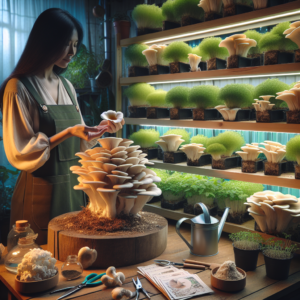
Once you’ve chosen your LED grow lights, the next step is to set them up correctly. Proper installation ensures your mushrooms get the right amount of light without any hotspots or shadows. And when it comes to upkeep, a little goes a long way. Regular cleaning and checking for any signs of wear will keep your lights shining bright and your mushrooms growing strong.
Step-by-Step Guide to Setting Up Your Lights
- Choose the right location for your grow lights, ensuring even coverage for all your mushrooms.
- Mount or hang your LED lights at the correct height, usually a few inches above the highest part of your mushrooms.
- Adjust the light intensity and program the light cycles according to your mushroom species’ needs.
Ongoing Care: Maximizing Light Efficiency
Maintaining your LED grow lights is straightforward. Keep them clean from dust and debris, which can block light output. Also, monitor your mushrooms’ growth and adjust the light settings as needed. Remember, the goal is to recreate the ideal conditions for mushrooms to flourish.
Lighting Your Way to a Bountiful Harvest
With the right LED grow lights, you’re well on your way to an impressive mushroom harvest. Remember, it’s all about creating the perfect environment for your mushrooms to thrive. So choose wisely, set up carefully, and maintain diligently. Your mushrooms will thank you with a bountiful harvest, and you’ll be proud of the sustainable urban farm you’ve created.
Recap of LED Benefits in Mushroom Farming
LED grow lights have transformed the way we approach indoor mushroom farming. Their energy efficiency, low heat output, and long lifespan make them an ideal choice for urban farmers. The ability to customize light spectrums and intensities allows for precise control over the growing conditions, leading to healthier mushrooms and more abundant yields. Embracing LED technology is not just a step towards better mushroom cultivation, but also a leap towards sustainable urban agriculture practices.
Key Takeaways for Selecting LED Grow Lights
When selecting LED grow lights for mushroom cultivation, consider the light spectrum, intensity, and coverage to ensure your mushrooms receive the optimal conditions for growth. Factor in energy efficiency and durability to maximize cost-effectiveness and long-term use. Installation and upkeep are straightforward, but essential for maximizing light efficiency and achieving a bountiful harvest.
Frequently Asked Questions
How Often Should LED Grow Lights Be Replaced?
LED grow lights boast a long lifespan, often running for 50,000 hours or more. Depending on your usage, that could mean several years before needing a replacement. However, it’s important to monitor the performance of your lights. If you notice a significant decrease in brightness or a change in color, it might be time to consider getting new ones.
Can You Use Any LED Light to Grow Mushrooms?
While mushrooms are less demanding than plants when it comes to light, not just any LED will do. You’ll need a light that provides the right spectrum, usually blue, and one that offers the ability to control intensity. Some LED lights are specifically designed for horticulture and will better suit the unique needs of mushroom cultivation.
What’s the Difference Between Full Spectrum and Targeted Spectrum LEDs?
Full spectrum LEDs emit light across a wide range of wavelengths, simulating natural sunlight. Targeted spectrum LEDs, on the other hand, emit light at specific wavelengths. For mushrooms, targeted spectrum LEDs that focus on the blue range are often more beneficial as they provide the necessary cues for fruiting without unnecessary wavelengths.
How Does Light Intensity Affect Mushroom Yield?
Light intensity can influence the rate at which your mushrooms fruit and develop. Too little light may result in poor fruiting, while too much light can cause stress. It’s about finding that sweet spot where your mushrooms receive enough light to trigger fruiting without being overwhelmed. Adjusting the height and angle of your LED lights can help achieve the ideal intensity.
- Mushrooms require a gentle intensity of light for optimal growth.
- Adjusting your LED grow lights can help manage the intensity for better yields.
- Observing the growth patterns of your mushrooms can indicate if the light intensity is appropriate.
Is It Worth Investing in More Expensive Grow Lights?
The adage “you get what you pay for” often holds true for LED grow lights. More expensive options may offer better quality, longevity, and features like adjustable spectrums or intensities. However, it’s important to assess your specific needs and budget. Sometimes, mid-range lights can provide the necessary features for successful mushroom cultivation without breaking the bank.